




Hello world!
Welcome to WordPress. This is your first post. Edit or delete it,…

At Smart Link Lumens, we provide free software that helps our clients reduce lighting energy waste by an average of 80%, over fluorescent lighting, 30% when added to an LED lighting system, and provides occupancy-based load control and carbon tracking reduction.
Bluetooth is taking over and is now considered the most reliable and preferred form of connectivity for lighting systems. We would like to mention that our controls platform connectivity is primarily Bluetooth, where possible. Staying on the Home Page, when you click on Smart Lighting Revolution, the green box pops up. The left side should say: Our Bluetooth wireless controls connect to the cloud to provide seamless updates, easy add-ons for additional lighting, and have the functionality of expensive lighting software solutions. At the bottom of the box, occupancy-based load control and supermarkets and grocery stores both need bullet points.
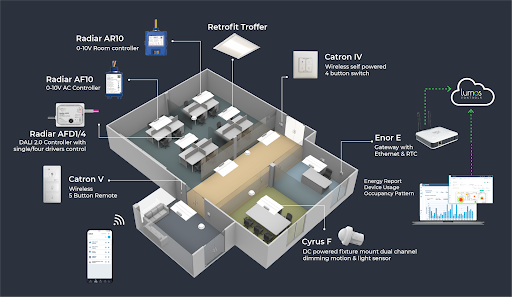
This diagram showcases an integrated smart lighting and control solution designed for modern commercial environments. The system features wireless controllers, occupancy sensors, retrofit troffers, and intuitive switch interfaces. info@SmartLinkLumens.com
Smarter Lighting. Better Results. Reduced Carbon Footprint
Traditional lighting—especially fluorescent and legacy LED systems—draws substantial electricity from fossil fuel-based power grids, contributing significantly to greenhouse gas emissions. By replacing these outdated systems with high-efficiency LED fixtures integrated with Networked Lighting Controls (NLC), we reduce lighting energy consumption by up to 85% and 40% compared to existing LED lighting. These reductions translate into thousands of metric tons of CO₂ avoided annually, helping facilities lower their carbon footprint and contribute to broader climate goals.
SLL solutions are designed with long-term sustainability in mind. Our systems not only reduce energy use but also extend the lifespan of fixtures and sensors to over 200,000 hours (compared to your existing fixtures), dramatically reducing the environmental impact of maintenance, manufacturing, and disposal. Through our work, our clients meet ESG reporting requirements, qualify for green financing, and align with global decarbonization efforts, all while benefiting from lower operating costs and improved workplace conditions.

This heatmap shows real-time occupancy patterns throughout your facility. Each color gradient—from green (low use) to deep red (high use)—represents the frequency with which lighting zones are occupied. In this case, your average occupancy is just 45.6%, yet the total average power draw is 57.50 kW, indicating lights are on in many unoccupied or underused areas.


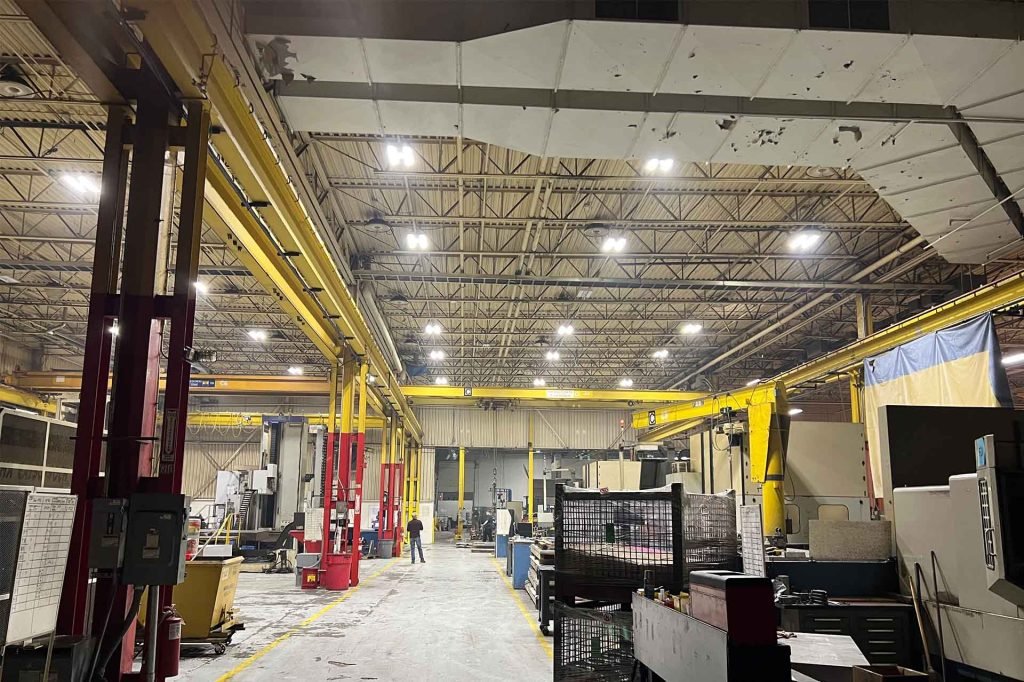
The truth about lighting occupancy in the business world is simple—lights are on far more than necessary, an estimated 35-40% more than they should be, resulting in billions of dollars of energy waste every year.
Despite installing efficient LED fixtures, most businesses still leave lights running in empty spaces. Studies and heat map data consistently show that buildings waste 30–40% of their lighting energy due to poor occupancy control. This unnecessary consumption not only inflates utility bills but also puts a lot of unnecessary stress on an already overtaxed energy grid.
Without networked lighting controls that learn occupancy patterns, automatically dim, and then turn lights off when areas are unoccupied, businesses are essentially wasting money—every minute of every day.
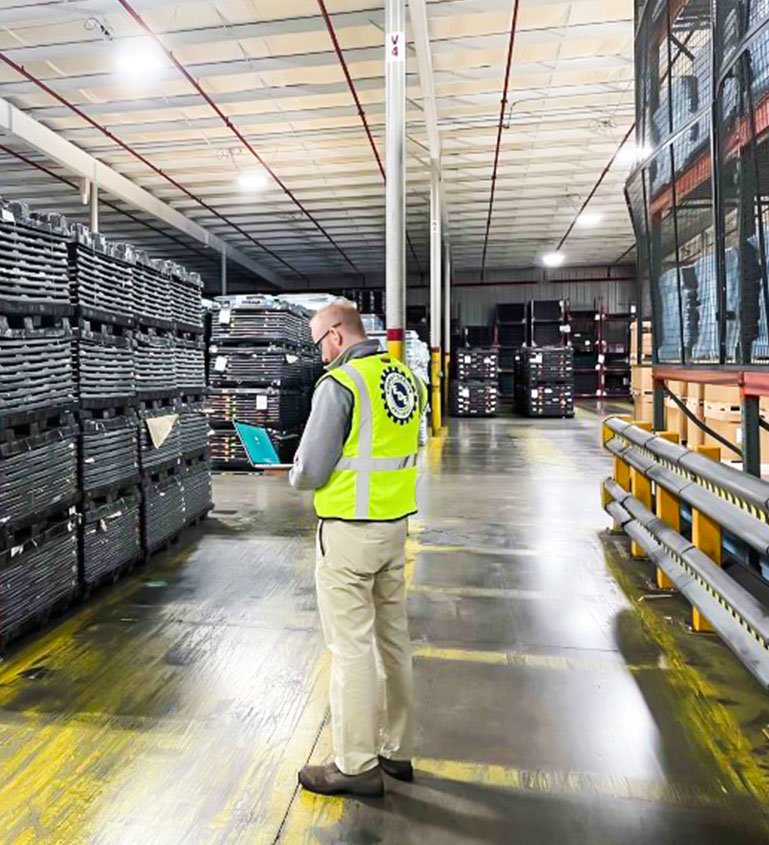
Many companies view an LED upgrade as the ultimate goal. In reality, it’s just the first step.
Skipping NLCs means missing out on:
Think of it this way: LEDs without smart controls are like a high-performance car stuck in first gear—you’re not using its full potential.
Beyond extra energy savings, NLCs deliver non-energy benefits that impact your bottom line:
Poor lighting can lead to fatigue, accidents, and downtime. Smart lighting adapts to workflow patterns, creating safer, more productive environments.
Bottom line: Lighting controls aren’t just an upgrade—they’re a strategic investment in safety, performance, and profitability.
I just reviewed the home page. We can discuss more tomorrow during our meeting.
motion sensor simply turns lights on or off based on the presence of occupants. It has no record of occupancy and no heatmap to provide data back to the end user. It simply turns the fixtures on and off every 15 – 30 minutes, depending on the end user’s desired setting.
Smart Link Lumens (SLL) software surpasses the limited functionality of a motion sensor. SLL combines advanced occupancy detection, scheduling, daylight harvesting, task tuning, recorded occupancy for designated periods (heat map), occupancy-based load control, and zone control into a single intelligent platform. Unlike standalone motion sensors that operate in isolation, SLL software connects every fixture in your facility, allowing the system to respond dynamically to real-world usage patterns, building schedules, and ambient light conditions.
SLL’s software delivers granular control and real-time visibility across your entire facility, enabling energy savings that motion sensors alone can’t achieve. For example, our system can dim lights to a low standby level instead of turning them off completely, we can optimize lighting for different work cells (older workers like more light and younger workers like less light) based on area-specific needs, and adjust automatically for shift changes or seasonal daylight variations. Additionally, SLL provides detailed energy analytics and carbon tracking, helping you meet sustainability goals and prove compliance—capabilities no standalone motion sensor can offer.
Smart Link Lumens (SLL) has a dedicated team focused on maximizing available utility rebates and securing low-interest financing for our clients. This allows businesses to preserve their operating capital while investing in advanced lighting control systems. In many cases, the energy savings generated by the project result in immediate positive cash flow, turning a capital improvement into a strategic financial win.
Email us at info@smartlinklumens.com to learn more or with your questions.

Easy to install and commission

Provides infrastructure to meet your business needs in the future

Open architecture allows control of BMS systems and loT enablement.

Secure solutions that provide energy savings, code compliance and a scalable digital infrastructure
If you’d like to explore how Smart Link Lumens can help your facility reduce energy waste and streamline lighting control, request a demo today: info@SmartLinkLumens.com
The Brembo North America Team Energy Design Engineers to help with reducing operating costs, improve the work environment, and help them achieve their annual sustainability goal.
This is your Education description. Concisely describe your degree and any other highlights of your studies. Make sure to include relevant skills, accomplishments, and milestones gained.
This is your Education description. Concisely describe your degree and any other highlights of your studies. Make sure to include relevant skills, accomplishments, and milestones gained.
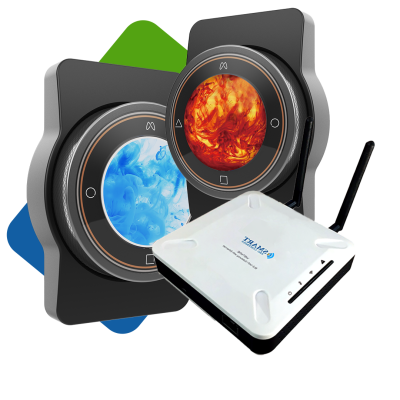
Our hardware and software work seamlessly to create a responsive, energy-efficient lighting ecosystem. Every fixture is equipped with sensors that detect occupancy, daylight, and time of day—automatically adjusting to maximize comfort and minimize waste. Our plug-and-play controllers reduce installation time, while our over-the-bed up/down light with USB charging, designed for senior living and healthcare markets, provides safety, comfort, and value. In one recent case, we replaced a 300W fixture with our 200W, 40,000-lumen high-efficiency Zone fixture—delivering more light with 33% less energy, and integrated controls the original design lacked. If you’re serious about energy waste reduction or lowering your carbon footprint, let us survey your site or bid on your next project. You’ll see the Smart Link difference immediately—in your data, in your comfort, and your bottom line.
Let’s help you save big
Our hardware and software work seamlessly to create a responsive, energy-efficient lighting ecosystem. Every fixture is equipped with sensors that detect occupancy, daylight, and time of day—automatically adjusting to maximize comfort and minimize waste. Our plug-and-play controllers reduce installation time, while our over-the-bed up/down light with USB charging, designed for senior living and healthcare markets, provides safety, comfort, and value. In one recent case, we replaced a 300W fixture with our 200W, 40,000-lumen high-efficiency Zone fixture—delivering more light with 33% less energy, and integrated controls the original design lacked. If you’re serious about energy waste reduction or lowering your carbon footprint, let us survey your site or bid on your next project. You’ll see the Smart Link difference immediately—in your data, in your comfort, and your bottom line.

At Smart Link Lumens, we provide free software that helps our clients reduce lighting energy waste by an average of 80%,
Copyright © adrondigital
Our cloud-connected, wireless lighting control platform is free to use and delivers up to:
Occupancy-Based Load Control
We specialize in scalable, high-performance lighting control solutions for:
Supermarkets & Grocery Stores
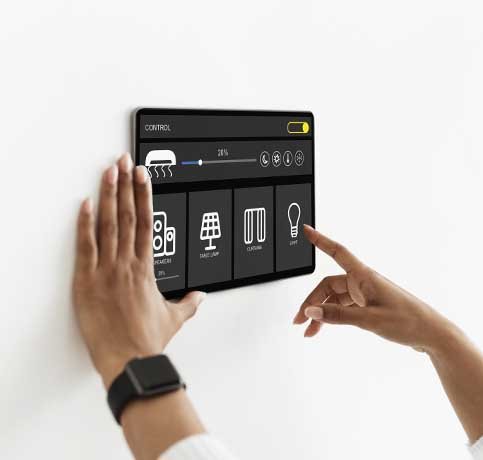
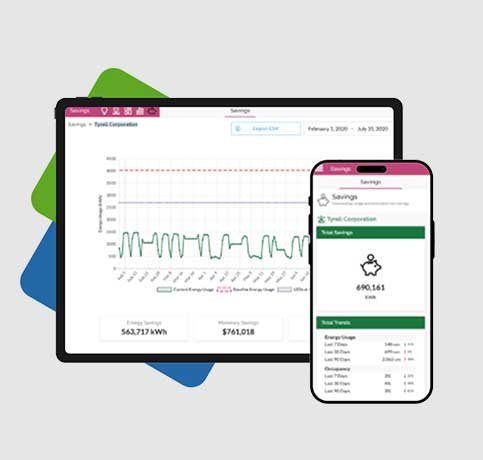
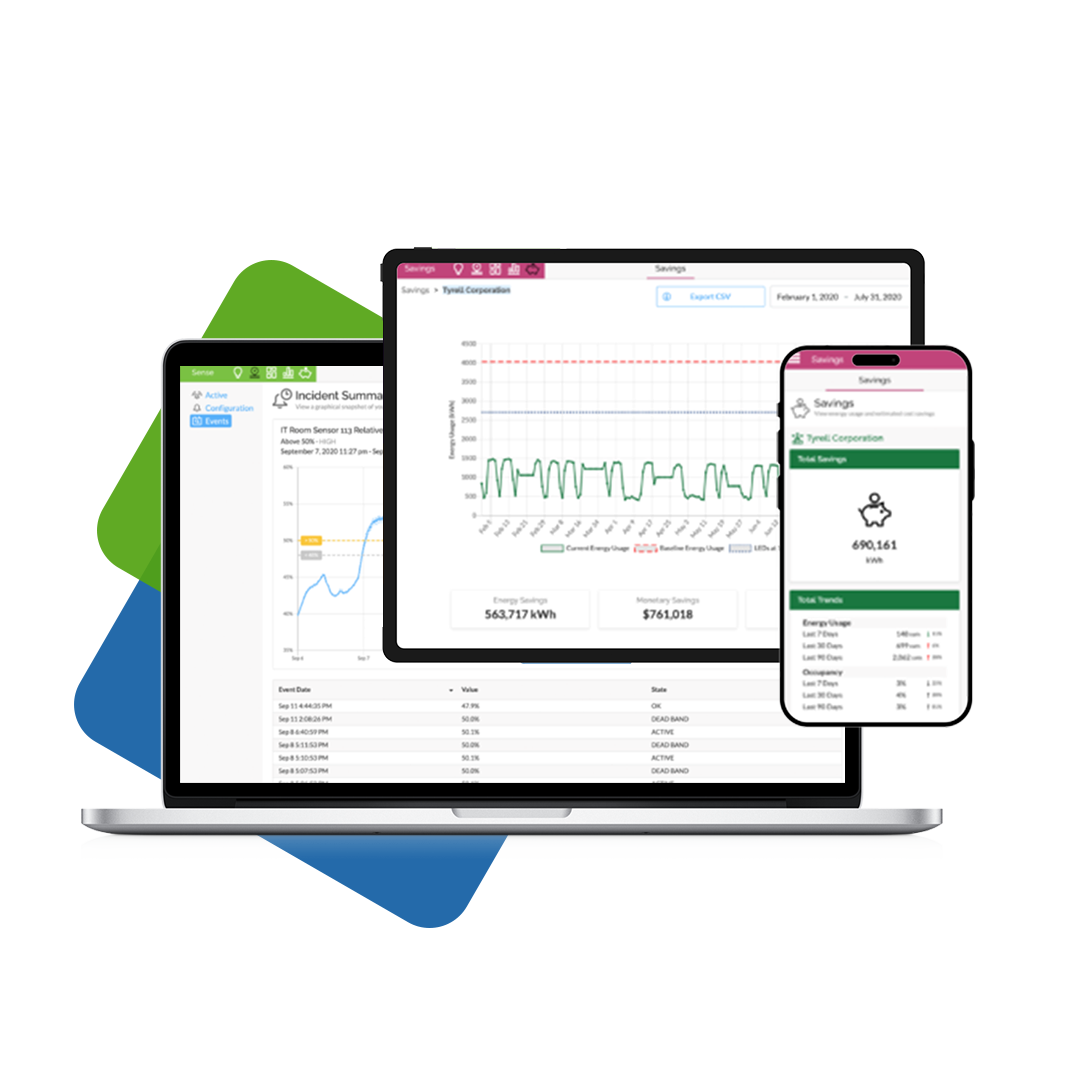
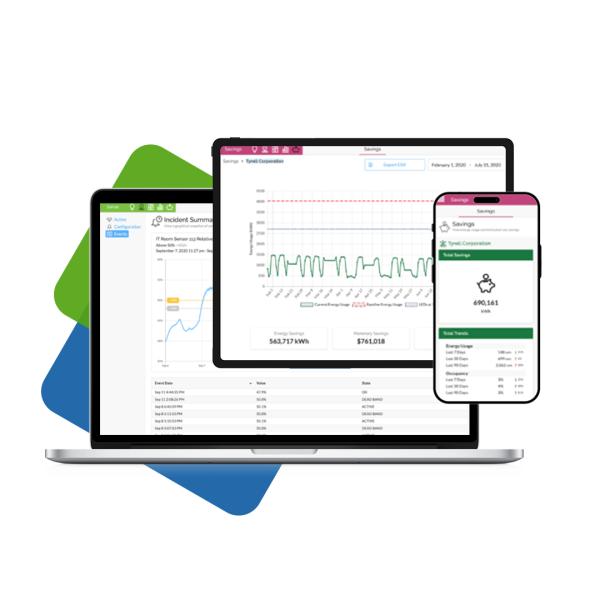
Manage your lighting anytime, anywhere—seamlessly from your desktop or mobile device. Whether overseeing a single facility or a nationwide portfolio, Smart Link Lumens puts real-time, intuitive control at your fingertips. Our platform simplifies lighting automation, boosts energy efficiency, and ensures code compliance.
More Than a Lighting Controls Company
At Smart Link Lumens, we partner with you to create smarter, more sustainable spaces. Our software is updated three to four times per year, driven by client feedback, and every update is automatically pushed through the cloud to keep your system at peak performance.
Learn more or request a demo: info@SmartLinkLumens.com
Here’s a clear and compelling explanation of how Smart Link Lumens (SLL) software outperforms a traditional motion sensor:
A basic motion sensor simply turns lights on or off based on the presence of occupants. It has no record of occupancy and no heatmap to provide data back to the end user. It simply turns the fixtures on and off every 15 – 30 minutes, depending on the end user’s desired setting.
Smart Link Lumens (SLL) software surpasses the limited functionality of a motion sensor. SLL combines advanced occupancy detection, scheduling, daylight harvesting, task tuning, recorded occupancy for designated periods (heat map), occupancy-based load control, and zone control into a single intelligent platform. Unlike standalone motion sensors that operate in isolation, SLL software connects every fixture in your facility, allowing the system to respond dynamically to real-world usage patterns, building schedules, and ambient light conditions.
SLL’s software delivers granular control and real-time visibility across your entire facility, enabling energy savings that motion sensors alone can’t achieve. For example, our system can dim lights to a low standby level instead of turning them off completely, we can optimize lighting for different work cells (older workers like more light and younger workers like less light) based on area-specific needs, and adjust automatically for shift changes or seasonal daylight variations. Additionally, SLL provides detailed energy analytics and carbon tracking, helping you meet sustainability goals and prove compliance—capabilities no standalone motion sensor can offer.
Smart Link Lumens (SLL) has a dedicated team focused on maximizing available utility rebates and securing low-interest financing for our clients. This allows businesses to preserve their operating capital while investing in advanced lighting control systems. In many cases, the energy savings generated by the project result in immediate positive cash flow, turning a capital improvement into a strategic financial win.
Email us at info@smartlinklumens.com to learn more or with your questions.
A basic motion sensor only switches lights on or off when it detects movement.
Smart Link Lumens (SLL) is different. Our intelligent platform connects every fixture in your facility and offers:
Our team maximizes utility rebates and finds low-interest financing, so many projects generate positive cash flow from day one, turning an upgrade into a strategic win.
Learn more or request a demo: info@smartlinklumens.com
Here’s a clear and compelling explanation of how Smart Link Lumens (SLL) software outperforms a traditional motion sensor:
Smartlink has over 15 years of data to support our findings.
A basic motion sensor simply turns lights on or off based on the presence of occupants. It has no record of occupancy and no heatmap to provide data back to the end user. It simply turns the fixtures on and off every 15 – 30 minutes, depending on the end user’s desired setting.
Smart Link Lumens (SLL) software surpasses the limited functionality of a motion sensor. SLL combines advanced occupancy detection, scheduling, daylight harvesting, task tuning, recorded occupancy for designated periods (heat map), occupancy-based load control, and zone control into a single intelligent platform. Unlike standalone motion sensors that operate in isolation, SLL software connects every fixture in your facility, allowing the system to respond dynamically to real-world usage patterns, building schedules, and ambient light conditions.
SLL’s software delivers granular control and real-time visibility across your entire facility, enabling energy savings that motion sensors alone can’t achieve. For example, our system can dim lights to a low standby level instead of turning them off completely, we can optimize lighting for different work cells (older workers like more light and younger workers like less light) based on area-specific needs, and adjust automatically for shift changes or seasonal daylight variations. Additionally, SLL provides detailed energy analytics and carbon tracking, helping you meet sustainability goals and prove compliance—capabilities no standalone motion sensor can offer.
Smart Link Lumens (SLL) has a dedicated team focused on maximizing available utility rebates and securing low-interest financing for our clients. This allows businesses to preserve their operating capital while investing in advanced lighting control systems. In many cases, the energy savings generated by the project result in immediate positive cash flow, turning a capital improvement into a strategic financial win.
Email us at info@smartlinklumens.com to learn more or with your questions.
Most utilities offer two primary types of energy efficiency incentives: prescriptive rebates and custom rebates. Prescriptive rebates are the most common—they provide a fixed incentive based on specific equipment characteristics, such as lighting wattage or motor horsepower. In contrast, custom incentives are calculated based on the total kilowatt-hours (kWh) reduced from the project. These custom rebates can be 30% to 100% higher than prescriptive incentives, but are often overlooked by 80% of contractors due to the requirement for 1–2 weeks of energy monitoring.
At Smart Link Lumens, technology is at the core of what we do. We make wireless energy monitoring, data reporting, and utility documentation a seamless part of every project. This enables our clients to consistently unlock higher custom utility rebates, enhance project ROI, and earn credit for every kilowatt-hour saved. If you’re being offered only prescriptive rebates, ask who can help you access custom incentive programs. And if no one can, we likely can, or we’ll connect you with someone locally who can.
Enhance Real Estate (Building) Value through a More Energy-Efficient Building. Consider the following:
How much? According to the U.S. Green Building Council, inefficient buildings can cost 30% more in energy and reduce property value by 5-10%.
At SmartLink Lumens (SLL), our mission is to create products that are easy to use, that maximize energy waste reduction, and accelerate the decarbonization of their facilities.
Traditional lighting—especially fluorescent and legacy LED systems—draws substantial electricity from fossil fuel-based power grids, contributing significantly to greenhouse gas emissions. By replacing these outdated systems with high-efficiency LED fixtures integrated with Networked Lighting Controls (NLC), we reduce lighting energy consumption by up to 85% and 40% compared to existing LED lighting. These reductions translate into thousands of metric tons of CO₂ avoided annually, helping facilities lower their carbon footprint and contribute to broader climate goals.
SLL solutions are designed with long-term sustainability in mind. Our systems not only reduce energy use but also extend the lifespan of fixtures and sensors to over 200,000 hours (compared to your existing fixtures), dramatically reducing the environmental impact of maintenance, manufacturing, and disposal. Through our work, our clients meet ESG reporting requirements, qualify for green financing, and align with global decarbonization efforts, all while benefiting from lower operating costs and improved workplace conditions.

Supports capital planning and utility incentive documentation with visual, data-backed justification.
With over 50 years of combined experience in lighting and controls, our team knows precisely what our clients want and we’ve built Smart Link Lumens to deliver just that. Our cloud-connected, wireless lighting control platform is intuitive, scalable, and free to use no software license fees required.
SMART LINK LUMENS